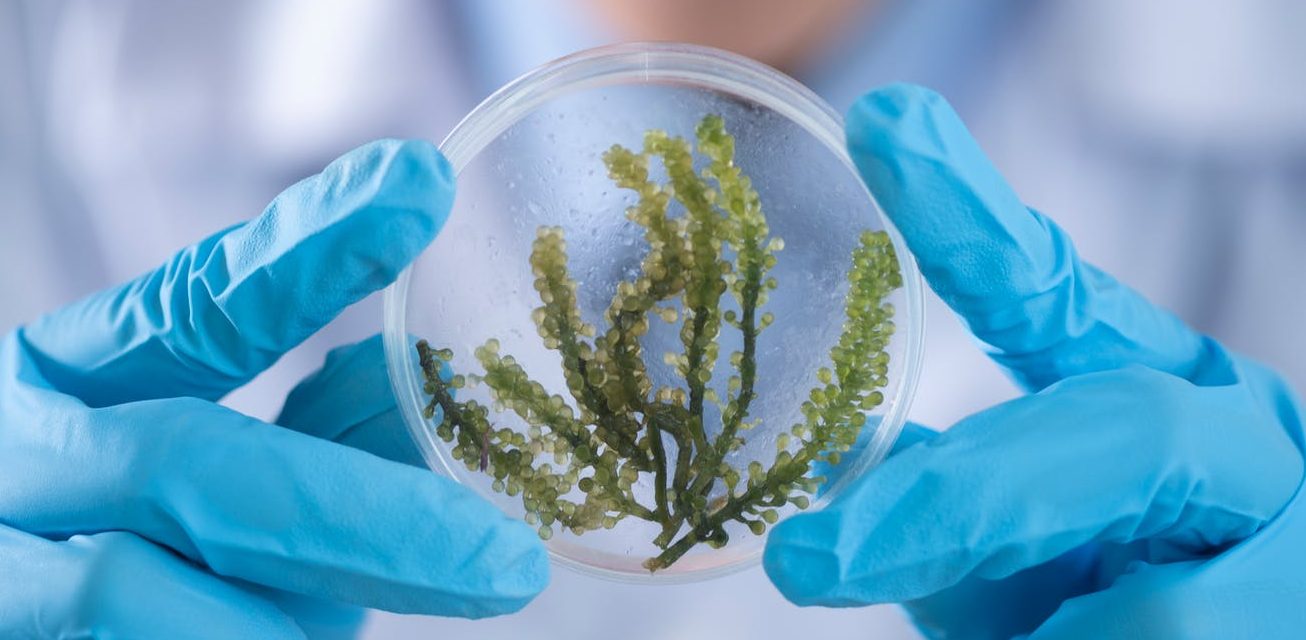

Multicellular organisms are organisms that consist of more than one cell, in contrast to unicellular organisms.[1]
All species of animals, land plants and most fungi are multicellular, as are many algae, whereas a few organisms are partially uni- and partially multicellular, like slime molds and social amoebae such as the genus Dictyostelium.[2][3]
Multicellular organisms arise in various ways, for example by cell division or by aggregation of many single cells.[4][3] Colonial organisms are the result of many identical individuals joining together to form a colony. However, it can often be hard to separate colonial protists from true multicellular organisms, because the two concepts are not distinct; colonial protists have been dubbed “pluricellular” rather than “multicellular”.[5][6]
Multicellular organisms are organisms that consist of more than one cell, in contrast to unicellular organisms.[1]
All species of animals, land plants and most fungi are multicellular, as are many algae, whereas a few organisms are partially uni- and partially multicellular, like slime molds and social amoebae such as the genus Dictyostelium.[2][3]
Multicellular organisms arise in various ways, for example by cell division or by aggregation of many single cells.[4][3] Colonial organisms are the result of many identical individuals joining together to form a colony. However, it can often be hard to separate colonial protists from true multicellular organisms, because the two concepts are not distinct; colonial protists have been dubbed “pluricellular” rather than “multicellular”.[5][6]
 microbiologist India
You must be logged in to post a comment.