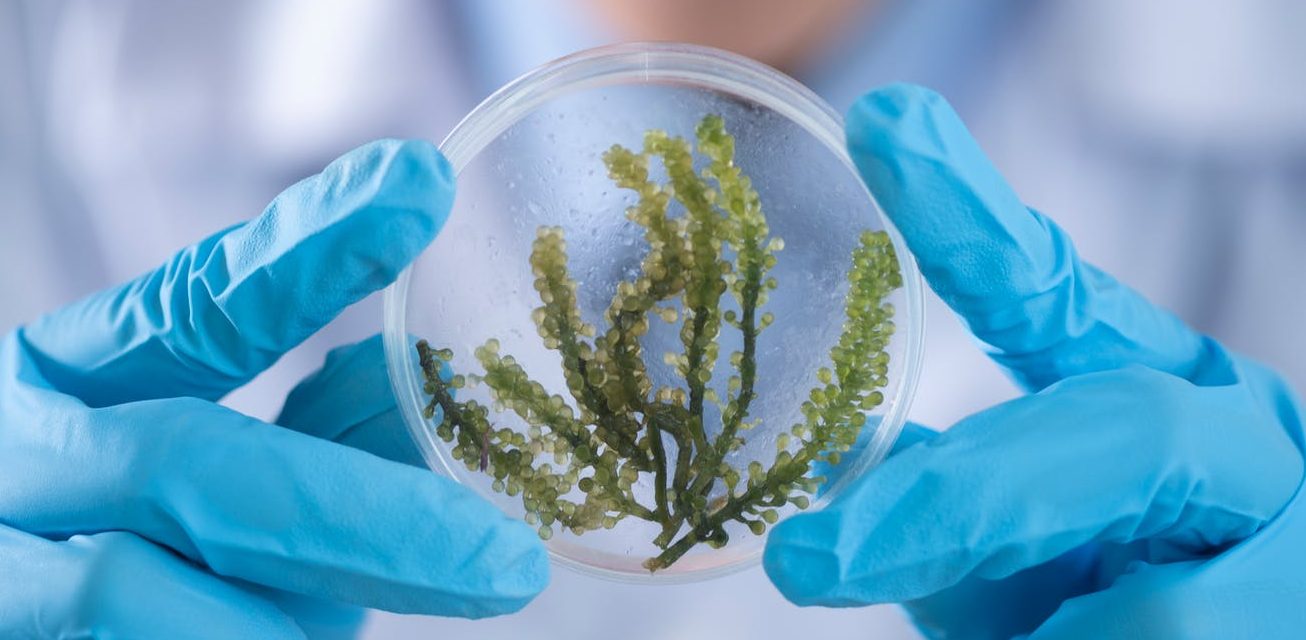

A microorganism, or microbe,[a] is a microscopicorganism, which may exist in its single-celled form or in a colony of cells.
The possible existence of unseen microbial life was suspected from ancient times, such as in Jain scriptures from 6th century BC India and the 1st century BC book On Agriculture by Marcus Terentius Varro. The scientific study of microorganisms began with their observation under the microscope in the 1670s by Antonie van Leeuwenhoek. In the 1850s, Louis Pasteur found that microorganisms caused food spoilage, debunking the theory of spontaneous generation. In the 1880s, Robert Koch discovered that microorganisms caused the diseases tuberculosis, cholera and anthrax.
Microorganisms include all unicellular organisms and so are extremely diverse. Of the three domains of lifeidentified by Carl Woese, all of the Archaea and Bacteria are microorganisms. These were previously grouped together in the two domain system as Prokaryotes, the other being the eukaryotes. The third domain Eukaryota includes all multicellular organisms and many unicellular protists and protozoans. Some protists are related to animals and some to green plants. Many of the multicellular organisms are microscopic, namely micro-animals, some fungi and some algae, but these are not discussed here.
They live in almost every habitat from the poles to the equator, deserts, geysers, rocks and the deep sea. Some are adapted to extremes such as very hot or very cold conditions, others to high pressure and a few such as Deinococcus radiodurans to high radiation environments. Microorganisms also make up the microbiota found in and on all multicellular organisms. There is evidence that 3.45-billion-year-old Australian rocks once contained microorganisms, the earliest direct evidence of life on Earth.[1][2]
Microbes are important in human culture and healthin many ways, serving to ferment foods, treat sewage, produce fuel, enzymes and other bioactive compounds. They are essential tools in biology as model organisms and have been put to use in biological warfare and bioterrorism. They are a vital component of fertile soils. In the human bodymicroorganisms make up the human microbiotaincluding the essential gut flora. They are the pathogens responsible for many infectious diseasesand as such are the target of hygiene measures.
 microbiologist India
You must be logged in to post a comment.